
October 4, 2025
Behind the scenes of modern freight logistics

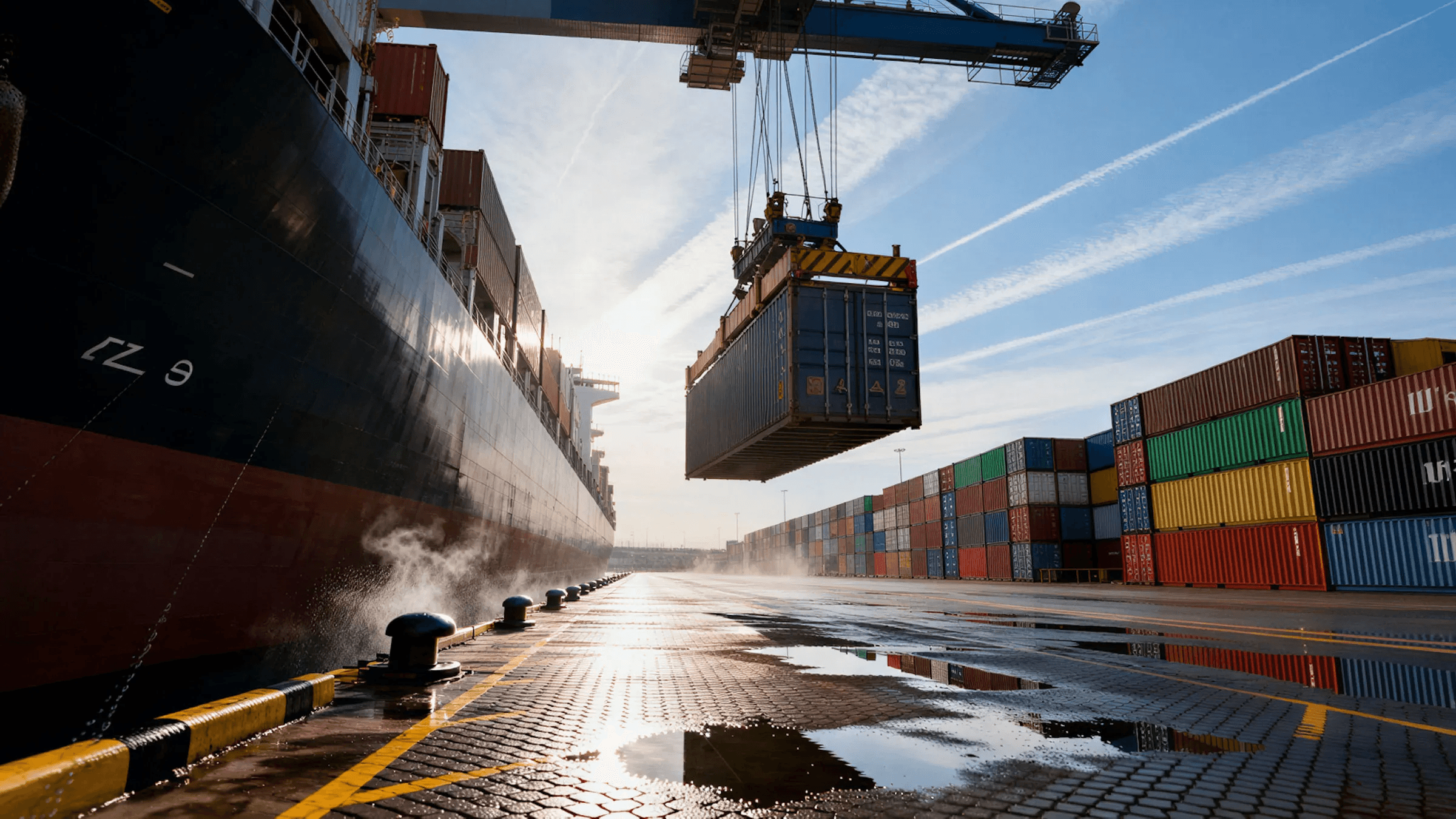
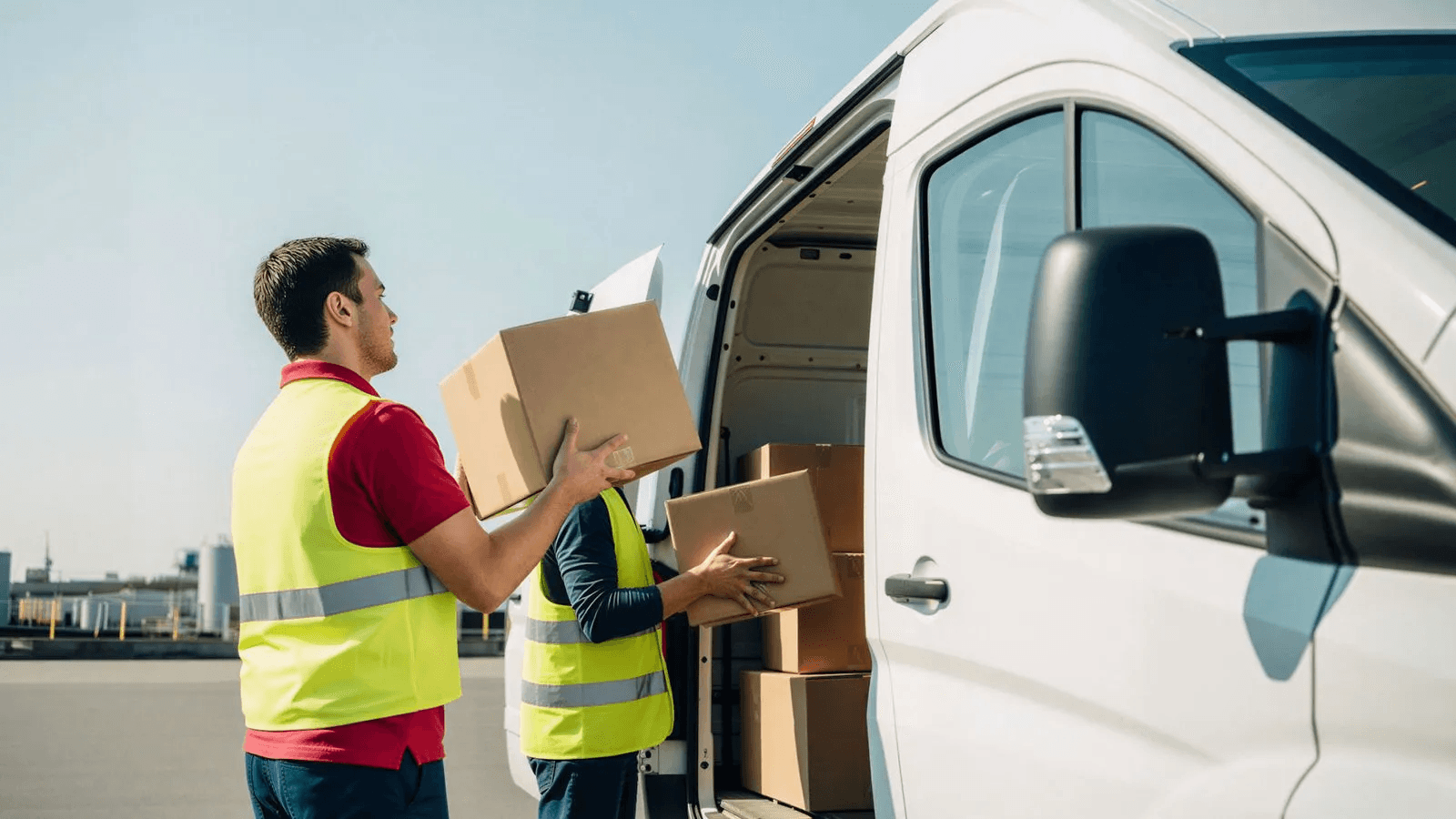
Modern freight logistics is a complex, highly coordinated system that powers global trade. While customers only see the final delivery, there’s an intricate network of processes working behind the scenes to ensure goods move efficiently across borders and continents.
The Backbone of Global Trade
Freight logistics connects manufacturers, suppliers, and customers across the world. From raw materials to finished products, every shipment passes through multiple checkpoints—each carefully managed to maintain speed and reliability.
Efficient coordination between carriers, warehouses, and ports ensures that goods keep moving without unnecessary delays.
How Technology Keeps Everything Moving
Today’s logistics operations are driven by advanced technology that enables real-time decision-making and improved efficiency.
Real-time shipment tracking for full visibility
AI-driven demand forecasting to reduce delays
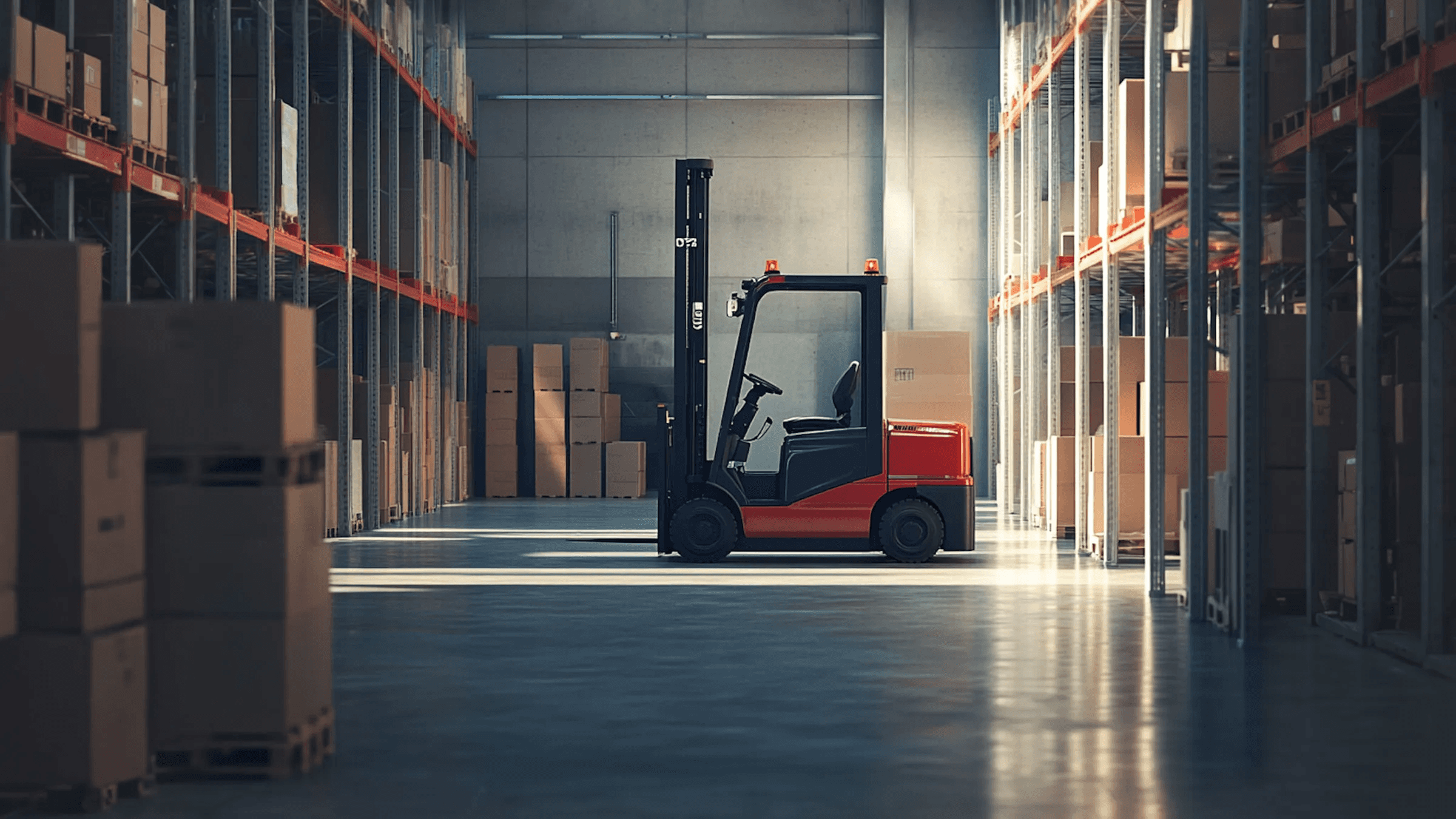
Automated warehousing and inventory systems
Route optimization for faster transit times
These systems work together to minimize disruptions and keep the supply chain running smoothly.
Managing Complexity Across Borders
International freight involves navigating different regulations, customs processes, and documentation requirements. Each country has its own rules, which adds layers of complexity to global shipping.
Logistics teams must ensure compliance while maintaining speed—balancing accuracy with efficiency to avoid costly delays.
Delivering Reliability at Scale
At its core, freight logistics is about consistency. Businesses rely on dependable systems that can handle high volumes without compromising delivery timelines.
By combining strong partnerships, efficient processes, and smart technology, modern logistics networks are able to deliver goods reliably—even at a global scale.
Latest News